Land of the Rising Sun – Beppu

Land of the Rising Sun – Beppu

[siteorigin_widget class=”SiteOrigin_Widget_Image_Widget”]“,”after_widget”:”

“,”before_title”:”

“,”after_title”:”

“,”widget_id”:”widget-0-0-0″}}” />[/siteorigin_widget]

Our Adventures in Beppu

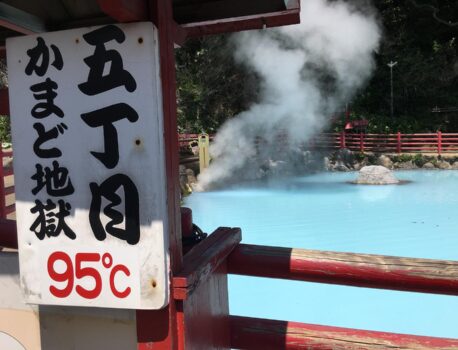
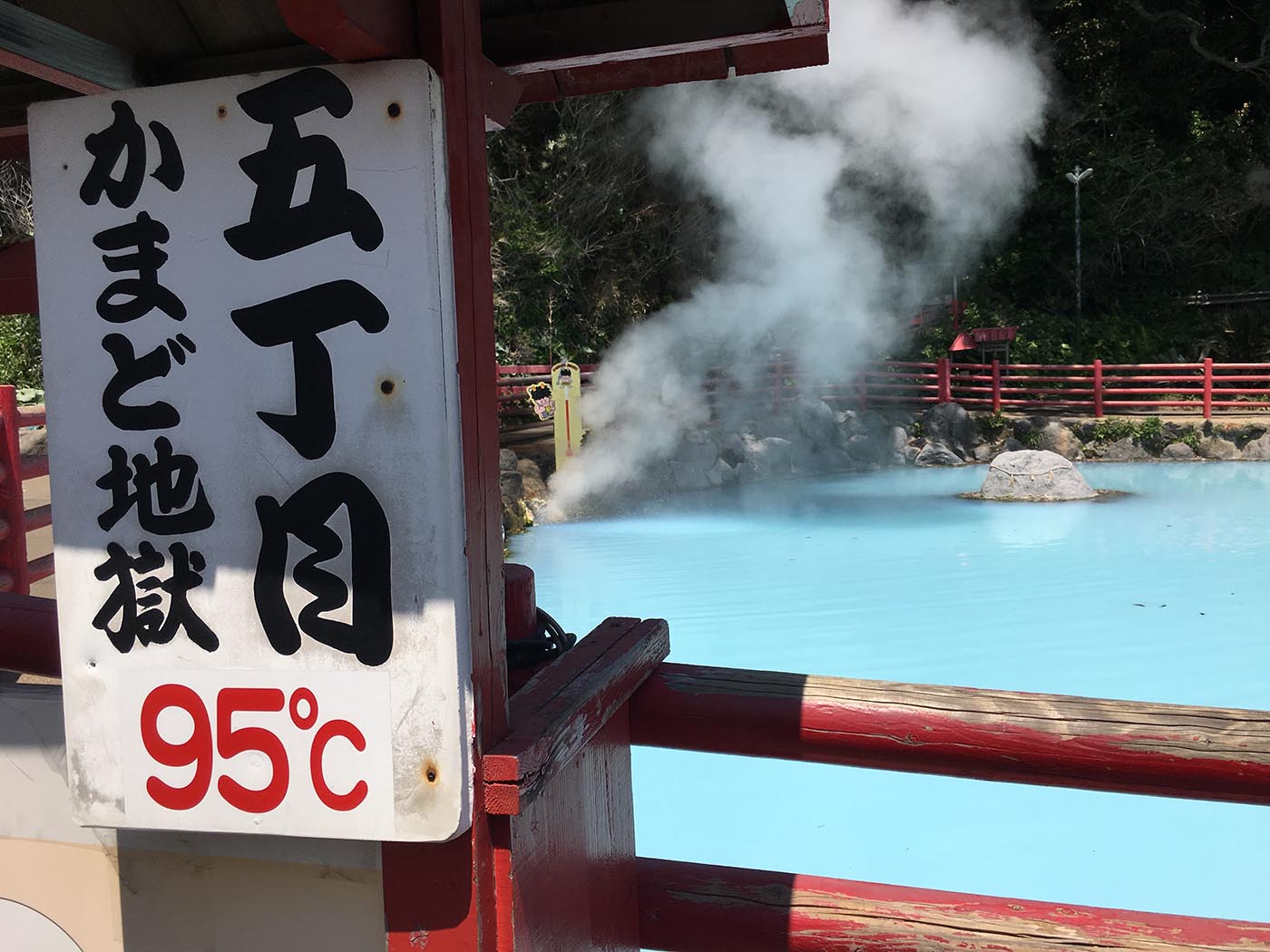
“Beppu is situated between the sea and the mountains. The city was founded on April 1, 1924, and is famous for its onsen (hot springs). It has eight major geothermal hot spots, sometimes referred to as the “eight hells of Beppu“.[2] Six of these are located in the Kannawa district, and two in the more remote Shibaseki district. Beppu is also divided into eight major hot spring areas known as Beppu Hattō (別府八湯?).”

[siteorigin_widget class=”SiteOrigin_Widget_Image_Widget”]“,”after_widget”:”

“,”before_title”:”

“,”after_title”:”

“,”widget_id”:”widget-1-1-0″}}” />[/siteorigin_widget]
Kawachi Fuji Garden

Heading south from Iwakuni, after crossing over to the island of Kyushu, the most southern of the main islands of Japan, we took a side-trip to a wonderful Wisteria garden. The flowers were a few days from blooming but it was still a beautiful place. The garden also has a nice restaurant and onsen. See the food images slideshow for all of our meal pictures.

[siteorigin_widget class=”SiteOrigin_Widget_Image_Widget”]“,”after_widget”:”

“,”before_title”:”

“,”after_title”:”

“,”widget_id”:”widget-2-0-1″}}” />[/siteorigin_widget]

[siteorigin_widget class=”SiteOrigin_Widget_Image_Widget”]“,”after_widget”:”

“,”before_title”:”

“,”after_title”:”

“,”widget_id”:”widget-2-0-2″}}” />[/siteorigin_widget]

[siteorigin_widget class=”SiteOrigin_Widget_Image_Widget”]“,”after_widget”:”

“,”before_title”:”

“,”after_title”:”

“,”widget_id”:”widget-2-1-0″}}” />[/siteorigin_widget]

[siteorigin_widget class=”SiteOrigin_Widget_Image_Widget”]“,”after_widget”:”

“,”before_title”:”

“,”after_title”:”

“,”widget_id”:”widget-2-1-1″}}” />[/siteorigin_widget]

[siteorigin_widget class=”SiteOrigin_Widget_Image_Widget”]“,”after_widget”:”

“,”before_title”:”

“,”after_title”:”

“,”widget_id”:”widget-2-1-2″}}” />[/siteorigin_widget]

[siteorigin_widget class=”SiteOrigin_Widget_Image_Widget”]“,”after_widget”:”

“,”before_title”:”

“,”after_title”:”

“,”widget_id”:”widget-3-0-0″}}” />[/siteorigin_widget]

[siteorigin_widget class=”SiteOrigin_Widget_Image_Widget”]“,”after_widget”:”

“,”before_title”:”

“,”after_title”:”

“,”widget_id”:”widget-4-0-0″}}” />[/siteorigin_widget]

[siteorigin_widget class=”SiteOrigin_Widget_Image_Widget”]“,”after_widget”:”

“,”before_title”:”

“,”after_title”:”

“,”widget_id”:”widget-4-0-1″}}” />[/siteorigin_widget]

The City of Beppu – Hell on Earth

We arrived in Beppu early afternoon and spent an hour unwinding in the city park. There was a Saturday market in progress, a mix of local crafts and locally grown foods. The girls enjoyed being out of the car. Later on, we checked into an Airbnb for the night, excited about exploring the many hot springs in the morning.

[siteorigin_widget class=”SiteOrigin_Widget_Image_Widget”]“,”after_widget”:”

“,”before_title”:”

“,”after_title”:”

“,”widget_id”:”widget-4-1-1″}}” />[/siteorigin_widget]

[siteorigin_widget class=”SiteOrigin_Widget_Image_Widget”]“,”after_widget”:”

“,”before_title”:”

“,”after_title”:”

“,”widget_id”:”widget-4-1-2″}}” />[/siteorigin_widget]

[siteorigin_widget class=”SiteOrigin_Widget_Image_Widget”]“,”after_widget”:”

“,”before_title”:”

“,”after_title”:”

“,”widget_id”:”widget-5-0-0″}}” />[/siteorigin_widget]

Hot Springs everywhere

Beppu is one of the most famous hot spring resorts in Japan. The city is blessed by as many as eight different springs, named Beppu Onsen, Kannawa Onsen, Myoban Onsen, Kankaiji Onsen, Hamawaki Onsen, Kamegawa Onsen, Horita Onsen and Shibaseki Onsen, each featuring public baths and ryokan with bathing facilities. Together they produce more hot spring water than any other onsen resort in the country.

What sets Beppu apart from other onsen resorts is not only its abundance of thermal waters, but also the wide range of bath types that can be enjoyed there. Aside from conventional hot water baths, Beppu offers sand baths where bathers are buried in naturally heated sand, steam baths that are heated by the steam of a hot spring, and mud baths which are basically muddy hot water baths.”

[siteorigin_widget class=”SiteOrigin_Widget_Image_Widget”]“,”after_widget”:”

“,”before_title”:”

“,”after_title”:”

“,”widget_id”:”widget-6-1-0″}}” />[/siteorigin_widget]

[siteorigin_widget class=”SiteOrigin_Widget_Image_Widget”]“,”after_widget”:”

“,”before_title”:”

“,”after_title”:”

“,”widget_id”:”widget-6-1-1″}}” />[/siteorigin_widget]

[siteorigin_widget class=”SiteOrigin_Widget_Image_Widget”]“,”after_widget”:”

“,”before_title”:”

“,”after_title”:”

“,”widget_id”:”widget-7-0-0″}}” />[/siteorigin_widget]

Takasakiyama Monkey Park

“Takasakiyama Monkey Park (高崎山自然動物園, Takasakiyama Shizen Dōbutsuen) is a popular monkey reserve at the base of Mount Takasaki, a 628-meter high mountain along the coast between Beppu and Oita City. The mountain is home to some 1500 wild Japanese macaques that roam freely around its steep, forested slopes. Park visitors can get close to the monkeys as they are fed, and watch them as they run around, play or just sit in the sun and groom each other.”

This place was a blast. Not a wilderness area by any stretch of the imagination, but the monkeys are “free to roam”. It was intimidating when the monkeys started fighting, and very loud, but the keepers kept things under control. These are the infamous “snow monkeys” you might have seen in National Geographic or in the documentary, “Snow Monkeys“, filmed in the frigid valleys of Japan’s Shiga Highlands.

[siteorigin_widget class=”SiteOrigin_Widget_Image_Widget”]“,”after_widget”:”

“,”before_title”:”

“,”after_title”:”

“,”widget_id”:”widget-7-0-2″}}” />[/siteorigin_widget]

[siteorigin_widget class=”SiteOrigin_Widget_Image_Widget”]“,”after_widget”:”

“,”before_title”:”

“,”after_title”:”

“,”widget_id”:”widget-7-0-3″}}” />[/siteorigin_widget]

Tour of Beppu

[siteorigin_widget class=”SiteOrigin_Widget_Image_Widget”]“,”after_widget”:”

“,”before_title”:”

“,”after_title”:”

“,”widget_id”:”widget-7-1-1″}}” />[/siteorigin_widget]

[siteorigin_widget class=”SiteOrigin_Widget_Image_Widget”]“,”after_widget”:”

“,”before_title”:”

“,”after_title”:”

“,”widget_id”:”widget-7-1-2″}}” />[/siteorigin_widget]

[siteorigin_widget class=”SiteOrigin_Widget_Image_Widget”]“,”after_widget”:”

“,”before_title”:”

“,”after_title”:”

“,”widget_id”:”widget-7-1-3″}}” />[/siteorigin_widget]

[siteorigin_widget class=”SiteOrigin_Widget_Image_Widget”]“,”after_widget”:”

“,”before_title”:”

“,”after_title”:”

“,”widget_id”:”widget-7-1-5″}}” />[/siteorigin_widget]

What is a “ryokan”?

“A ryokan (旅館) is a type of traditional Japanese inn that originated in the Edo period (1603–1868), when such inns served travelers along Japan’s highways. They typically feature tatami-matted rooms, communal baths, and other public areas where visitors may wear yukata and talk with the owner.”

For our second night in Beppu, Sheree’ and I stayed at Kappo Ryokan Sennari, in downtown Beppu. Neither of us knew what a ryokan was, but it sounded exciting, and it was. From the “leave your shoes at the door” to the lovely gardens and delicious traditional Japanese breakfast, we would definitely return for more.

[siteorigin_widget class=”SiteOrigin_Widget_Image_Widget”]“,”after_widget”:”

“,”before_title”:”

“,”after_title”:”

“,”widget_id”:”widget-9-0-0″}}” />[/siteorigin_widget]

[siteorigin_widget class=”SiteOrigin_Widget_Image_Widget”]“,”after_widget”:”

“,”before_title”:”

“,”after_title”:”

“,”widget_id”:”widget-9-1-0″}}” />[/siteorigin_widget]

[siteorigin_widget class=”SiteOrigin_Widget_Image_Widget”]“,”after_widget”:”

“,”before_title”:”

“,”after_title”:”

“,”widget_id”:”widget-9-2-0″}}” />[/siteorigin_widget]

[siteorigin_widget class=”SiteOrigin_Widget_Image_Widget”]“,”after_widget”:”

“,”before_title”:”

“,”after_title”:”

“,”widget_id”:”widget-10-0-0″}}” />[/siteorigin_widget]

Mt. Tsurumi – Awesome ride, hike and views.

Mount Tsurumi is a lava dome. It has several peaks, including, Mount Kuranoto, Mount Uchi, Mount Garan. This mountain is one of Japan 300 mountains, and a part of Aso Kujū National Park.

[siteorigin_widget class=”SiteOrigin_Widget_Image_Widget”]“,”after_widget”:”

“,”before_title”:”

“,”after_title”:”

“,”widget_id”:”widget-11-0-1″}}” />[/siteorigin_widget]

[siteorigin_widget class=”SiteOrigin_Widget_Image_Widget”]“,”after_widget”:”

“,”before_title”:”

“,”after_title”:”

“,”widget_id”:”widget-11-0-2″}}” />[/siteorigin_widget]

[siteorigin_widget class=”SiteOrigin_Widget_Image_Widget”]“,”after_widget”:”

“,”before_title”:”

“,”after_title”:”

“,”widget_id”:”widget-11-0-3″}}” />[/siteorigin_widget]

[siteorigin_widget class=”SiteOrigin_Widget_Image_Widget”]“,”after_widget”:”

“,”before_title”:”

“,”after_title”:”

“,”widget_id”:”widget-11-1-0″}}” />[/siteorigin_widget]

Great exercise, great views.

The “ropeway” (cable car) ride was exciting and beautiful. In the view below is the city of Beppu. After arriving at the top of the ropeway there was still quite a climb to the top of the mountain. If you look at the image of Sheree’ looking at the map, you can see the twist and turns on the ascent, with numerous shrines along the way. The placing of shrines along trails was something we experienced on many of our hikes in Japan.

Climbing Mount Tsurumi

[siteorigin_widget class=”SiteOrigin_Widget_Image_Widget”]“,”after_widget”:”

“,”before_title”:”

“,”after_title”:”

“,”widget_id”:”widget-11-1-3″}}” />[/siteorigin_widget]

[siteorigin_widget class=”SiteOrigin_Widget_Image_Widget”]“,”after_widget”:”

“,”before_title”:”

“,”after_title”:”

“,”widget_id”:”widget-12-0-0″}}” />[/siteorigin_widget]

[siteorigin_widget class=”SiteOrigin_Widget_Button_Widget”]“,”after_widget”:”

“,”before_title”:”

“,”after_title”:”

“,”widget_id”:”widget-13-0-0″}}” />[/siteorigin_widget]

[siteorigin_widget class=”SiteOrigin_Widget_Button_Widget”]“,”after_widget”:”

“,”before_title”:”

“,”after_title”:”

“,”widget_id”:”widget-13-1-0″}}” />[/siteorigin_widget]

[siteorigin_widget class=”SiteOrigin_Widget_Button_Widget”]“,”after_widget”:”

“,”before_title”:”

“,”after_title”:”

“,”widget_id”:”widget-13-2-0″}}” />[/siteorigin_widget]

Leave a Reply

Your email address will not be published. Required fields are marked *